Blog

Notes from production: Medusa.js, marketplaces, e-commerce, Next.js and AI.

AppCrates Logo
/ e-commerceOct 21, 2026 • 23 min read

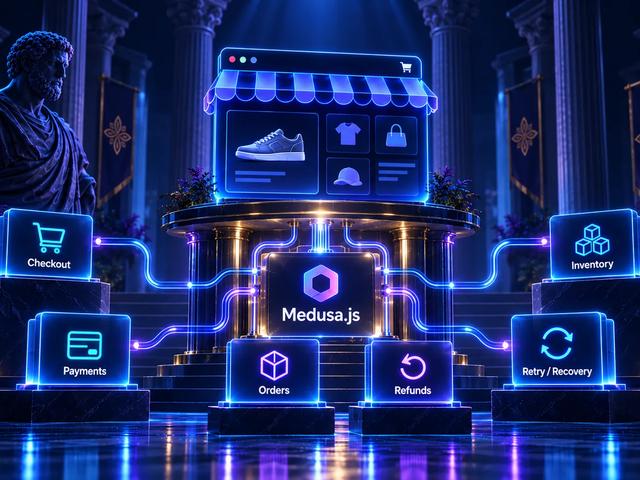
Medusa.js in production: what is under the hood of an online store

Two stores look the same, yet one costs ten times more. Real code, measurements, and load tests from the Artovnia marketplace show how a production Medusa.js architecture handles failures, payments, and traffic.

Read More
Medusa.js in production: what is under the hood of an online store
/ e-commerceOct 6, 2026 • 11 min read

Share & Save in a Medusa.js marketplace: sales attribution and dynamic seller commissions

Share & Save drops a seller's commission from 18% to 13% when that seller brought the customer in. Here is how signed click attribution, per-seller commission adjustments, double-charge protection, and a full audit trail work in a Medusa.js v2 marketplace.

Read More
Share & Save in a Medusa.js marketplace: sales attribution and dynamic seller commissions
/ Web AppsSep 29, 2026 • 11 min read

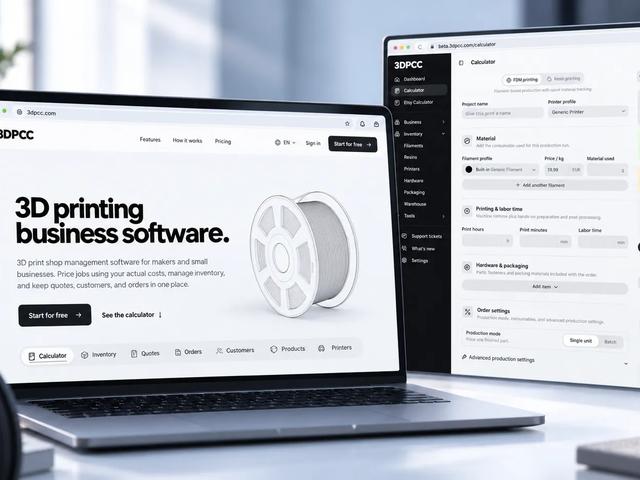
Migrating 3DPCC to production: 7 hours of downtime and what filled them

Rebuilding 3DPCC from a cost calculator into a production management system took a seven hour planned outage. Five of those hours went to data migration scripts and verifying their results, not to shipping code. Here is the plan, the window, and what I took from it.

Read More
Migrating 3DPCC to production: 7 hours of downtime and what filled them
/ e-commerceAug 30, 2026 • 13 min read

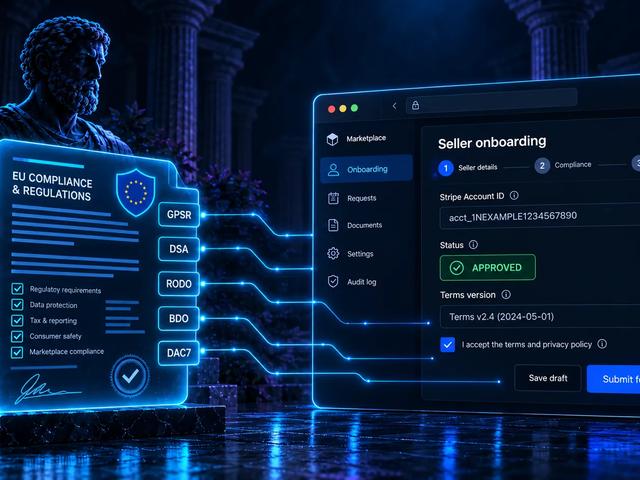
Marketplace Compliant with Regulations Without Building Amazon

How to translate GPSR, DSA, GDPR, BDO, and DAC7 obligations into a reasonable MVP, without designing infrastructure for millions of listings. A practical architectural overview for marketplace builders.

Read More
Marketplace Compliant with Regulations Without Building Amazon
/ e-commerceAug 28, 2026 • 9 min read

How to Extend an Existing Online Store with a Marketplace

A marketplace layer can be added to an existing online store without replacing the underlying platform. Inventory synchronization across vendors is the most complex part of the integration. The store operator retains full control over orders and the customer experience.

Read More
How to Extend an Existing Online Store with a Marketplace
/ e-commerceAug 24, 2026 • 19 min read

Cache invalidation is hard. In a marketplace, it gets really interesting.

Cache in a Medusa.js marketplace is a design problem about source of truth and invalidation. At Artovnia (Medusa.js) we solved Next.js issues: two-layer promotions cache, nested unstable_cache bypassing Data Cache, ISR storing skeleton-only HTML, recommendation fan-out, and broken splitChunks.

Read More
Cache invalidation is hard. In a marketplace, it gets really interesting.